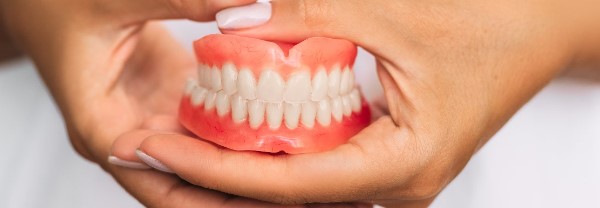
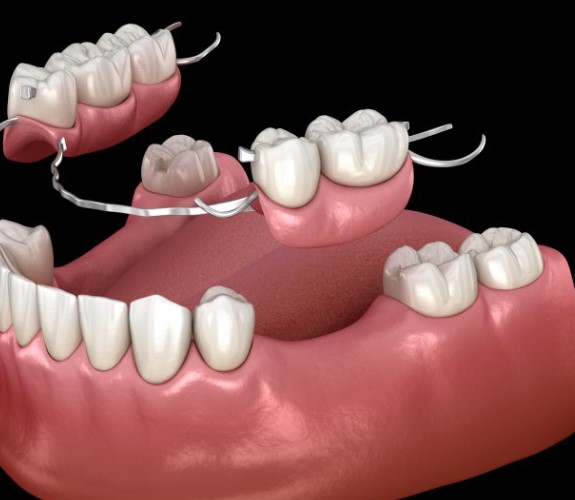
Dentures are removable dental prosthetics used to replace missing teeth and their surrounding tissues. They are custom-made to fit comfortably in the patient's mouth and restore the appearance and function of natural teeth. Dentures come in various types, including partial dentures, which replace only a few missing teeth, and full dentures, which replace all teeth in either the upper or lower jaw. Immediate dentures are placed immediately after tooth extraction, while implant-supported dentures are anchored to dental implants for added stability. Dentures play a vital role in improving chewing ability, speech, and overall confidence for individuals who have lost their natural teeth due to decay, injury, or other dental issues.
In understanding the significance of dentures, finding the right dental professional is crucial for a successful outcome. Collaborating with experienced dentists like Peter J Blank, DDS ensures a comprehensive approach to denture fitting and care. Their expertise in restorations, including dentures and partial dentures, allows patients to regain their smiles and improve oral functionality. Partnering with skilled dental practitioners like Dr. Blank contributes to the development of advanced denture technologies and patient-centric solutions, addressing various dental needs with utmost care and precision.
As dental health plays a significant role in overall well-being, dentures have emerged as essential prosthetics for restoring missing teeth and improving oral health. With a comprehensive understanding of the benefits of dentures, individuals can regain their ability to chew, speak, and smile confidently. Dentures, crafted to fit comfortably in the patient's mouth, help maintain proper alignment and prevent further dental issues caused by gaps from missing teeth. By seeking the expertise of skilled dental professionals and embracing modern denture technologies, patients can experience a burst of renewed oral functionality and a revitalized sense of self-assurance.
The process of getting dentures involves several important steps, each contributing to the successful outcome of this restorative dental treatment. Firstly, a qualified dentist conducts an initial dental evaluation, thoroughly examining the patient's oral health, existing teeth, and gums to determine the most suitable denture solution. Subsequently, the dentist collaborates with the patient to develop a personalized treatment plan, considering factors such as denture type, materials, and timeline. Precise impressions and measurements are taken to create accurate models, ensuring the dentures fit comfortably and securely in the patient's mouth. After fabrication, the dentures are carefully fitted, and necessary adjustments are made to achieve a natural and comfortable fit. In some cases, patients may receive temporary dentures, allowing functional teeth during the healing period after tooth extraction. Upon completion of the healing process, the final dentures are placed, and the dentist provides instructions on denture care and maintenance. Regular follow-up appointments are scheduled to monitor progress and make further adjustments if needed, ensuring the dentures continue to fit well and function optimally.
Adjusting to dentures can be a transformative experience, as they restore both the aesthetics and functionality of your smile. It's common to encounter some challenges during the initial period of wearing dentures, but with patience and the right approach, a comfortable transition is achievable. Remember to start with soft and easily chewable foods, gradually introducing more solid options as you become accustomed to your new dentures. Additionally, practicing speaking aloud and reading can help improve speech clarity. While some soreness and irritation are normal, inform your dentist about any persistent discomfort for adjustments. Regularly cleaning and caring for your dentures, as well as maintaining good oral hygiene, will enhance your overall denture-wearing experience. With time and persistence, you'll adapt to dentures, regaining your confidence and enjoying a beautiful, functional smile once again.
Proper denture care is essential for preserving the brilliance of your smile and ensuring the longevity of your dental prosthetics. Maintaining a regular cleaning routine is crucial to keep your dentures free from food particles and bacteria. Gently brush your dentures with a soft-bristled toothbrush using a denture cleaner or mild soap. Avoid using abrasive materials that can damage the denture surface. After eating, rinse your dentures to prevent staining and foul odors. It's essential to handle dentures with care to prevent accidental breakage. When not wearing them, store your dentures in a denture soaking solution or water to prevent them from drying out and losing their shape. Regular dental check-ups are necessary to evaluate the fit and condition of your dentures. By following these tips, you can maintain a vibrant smile and ensure your dentures serve you well for years to come.
Understanding Dentures: Key Information |
|
|---|---|
| Topic | What are Dentures? |
| Definition | Dentures are removable dental prosthetics used to replace missing teeth and their surrounding tissues. |
| Types of Dentures | There are several types of dentures, including partial dentures, full dentures, immediate dentures, and implant-supported dentures. |
| Process | The process of getting dentures involves several steps, such as the initial dental evaluation, treatment planning, impressions and measurements, fitting and adjustments, temporary dentures, and final denture placement. |
| Adjusting to Dentures | It's common to encounter challenges when adjusting to dentures, but with patience and proper care, a comfortable transition is achievable. |
| Proper Denture Care | Maintaining a regular cleaning routine and handling dentures with care are crucial for preserving the brilliance of your smile and ensuring the longevity of your dental prosthetics. |
Common denture problems can arise, presenting challenges for denture wearers. One frequent issue is sore spots and irritation, which can be addressed by seeking professional adjustments from a qualified dentist. Difficulty speaking or eating is another concern that can be overcome with practice and patience. Using denture adhesives or creams can enhance denture stability and comfort, easing any discomfort experienced during initial wear. Some individuals may face the problem of loose dentures, but with the option of relining or rebasing procedures, dentures can be improved to fit securely and function optimally. Being aware of these common issues and their solutions empowers denture wearers to embrace their new smiles confidently and adapt seamlessly to their dentures for an enhanced overall oral experience.
Enhancing denture comfort and fit is essential for an optimal oral experience, ensuring a seamless transition to denture wear. One crucial tip is to use denture adhesives or creams, which can improve denture stability and minimize irritation. Regular dental check-ups are recommended to monitor the fit of dentures and make any necessary adjustments for maximum comfort. Additionally, denture relining or rebasing procedures can enhance the fit and function of dentures over time. Embracing a soft diet during the initial adjustment period allows for ease in chewing and adapting to new dentures. Maintaining proper oral hygiene by regularly cleaning and soaking dentures helps preserve their brilliance and longevity. By following these tips, individuals can enjoy enhanced denture comfort and fit, ultimately leading to a more satisfying and confident smile.
Alternative options to dentures offer diverse dental solutions for individuals with missing teeth, catering to varying preferences and needs. Dental bridges are a popular choice, involving the use of adjacent teeth to anchor a prosthetic tooth in place. This option provides stability and a natural appearance. Another alternative is dental implants, where artificial tooth roots are surgically placed into the jawbone, providing a secure foundation for individual replacement teeth. Dental implants offer long-term benefits, including improved jawbone health and overall oral function. Additionally, implant-supported dentures combine the advantages of dentures and dental implants, providing a more stable and comfortable option for those missing multiple teeth. By exploring these alternative solutions, individuals can make informed decisions about their dental care, achieving a confident and functional smile.
The longevity of dentures depends on proper care and maintenance, allowing you to maximize the lifespan of your dental prosthetics. Regular cleaning and handling dentures with care prevent premature wear and tear. Denture soaking solutions or water should be used when not wearing them to maintain their shape and prevent drying out. Regular dental check-ups are crucial for evaluating the fit and condition of your dentures, making any necessary adjustments to ensure their optimal function. Moreover, following denture care guidelines provided by your dentist will help preserve their brilliance and functionality. By adopting these practices, you can enjoy long-lasting dentures that continue to enhance your smile and oral well-being.
Maintaining oral health with dentures is crucial for a healthy and confident smile. Proper denture care involves daily cleaning using a soft-bristled toothbrush and denture cleaner to remove food particles and bacteria. Overnight soaking in denture solution or water helps to keep dentures moist and maintain their shape. Regular dental check-ups ensure the fit and condition of dentures, allowing for necessary adjustments and addressing any potential issues promptly. Additionally, practicing good oral hygiene by cleaning your gums, tongue, and remaining natural teeth (if applicable) contributes to overall oral health. By following these essential tips, denture wearers can enjoy a bright and vibrant smile while ensuring their oral well-being for years to come.
Dentures are removable dental prosthetics used to replace missing teeth and their surrounding tissues. They are custom-made to fit comfortably in the patient's mouth and restore the appearance and function of natural teeth.
The lifespan of dentures can vary depending on the quality of care and materials used. With proper maintenance and regular dental check-ups, dentures can last anywhere from 5 to 10 years or even longer.
Yes, you can eat normally with dentures. However, it may take some time to get used to eating with dentures. Start with soft foods and gradually introduce harder or chewier items as you become more comfortable.